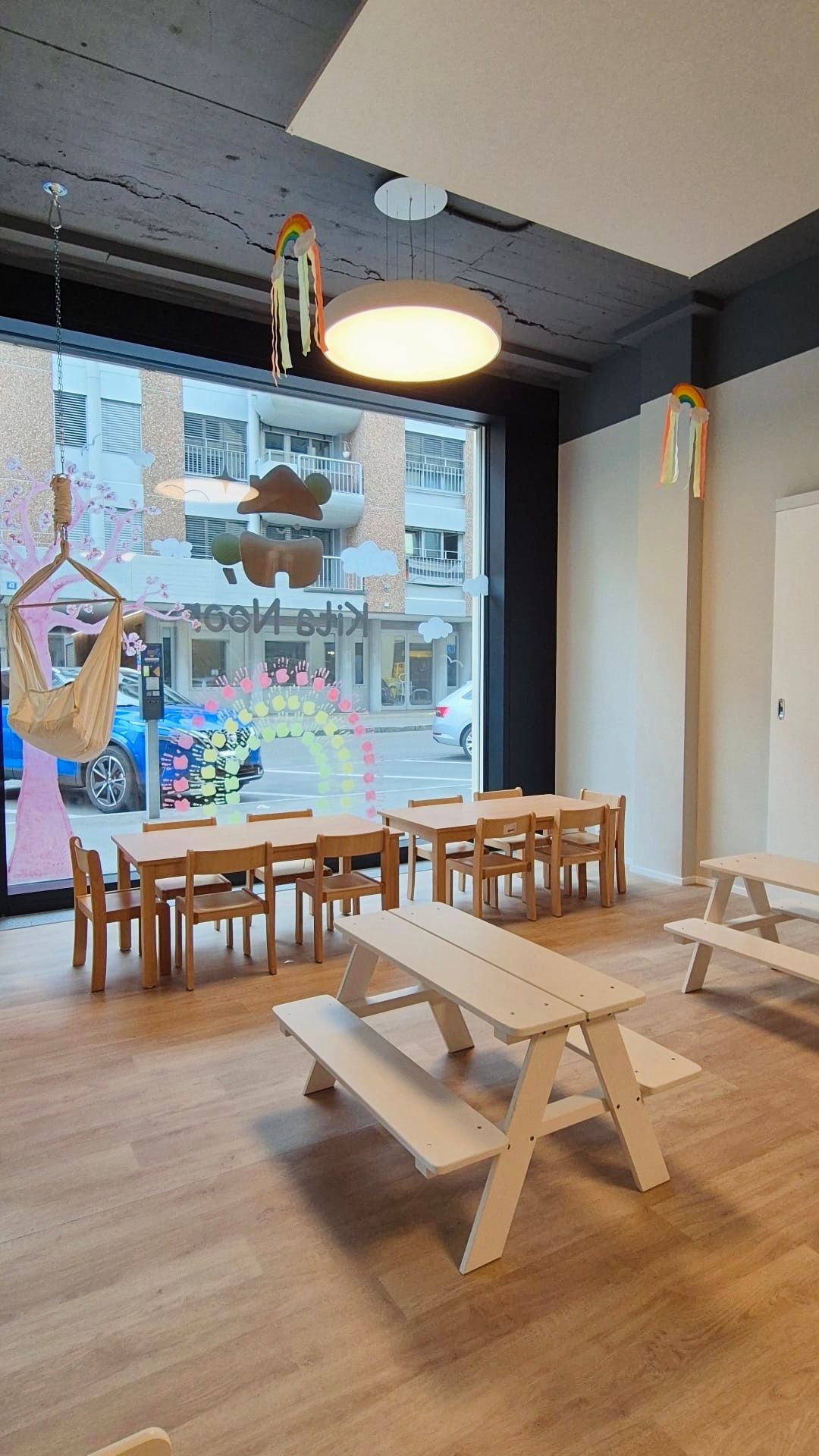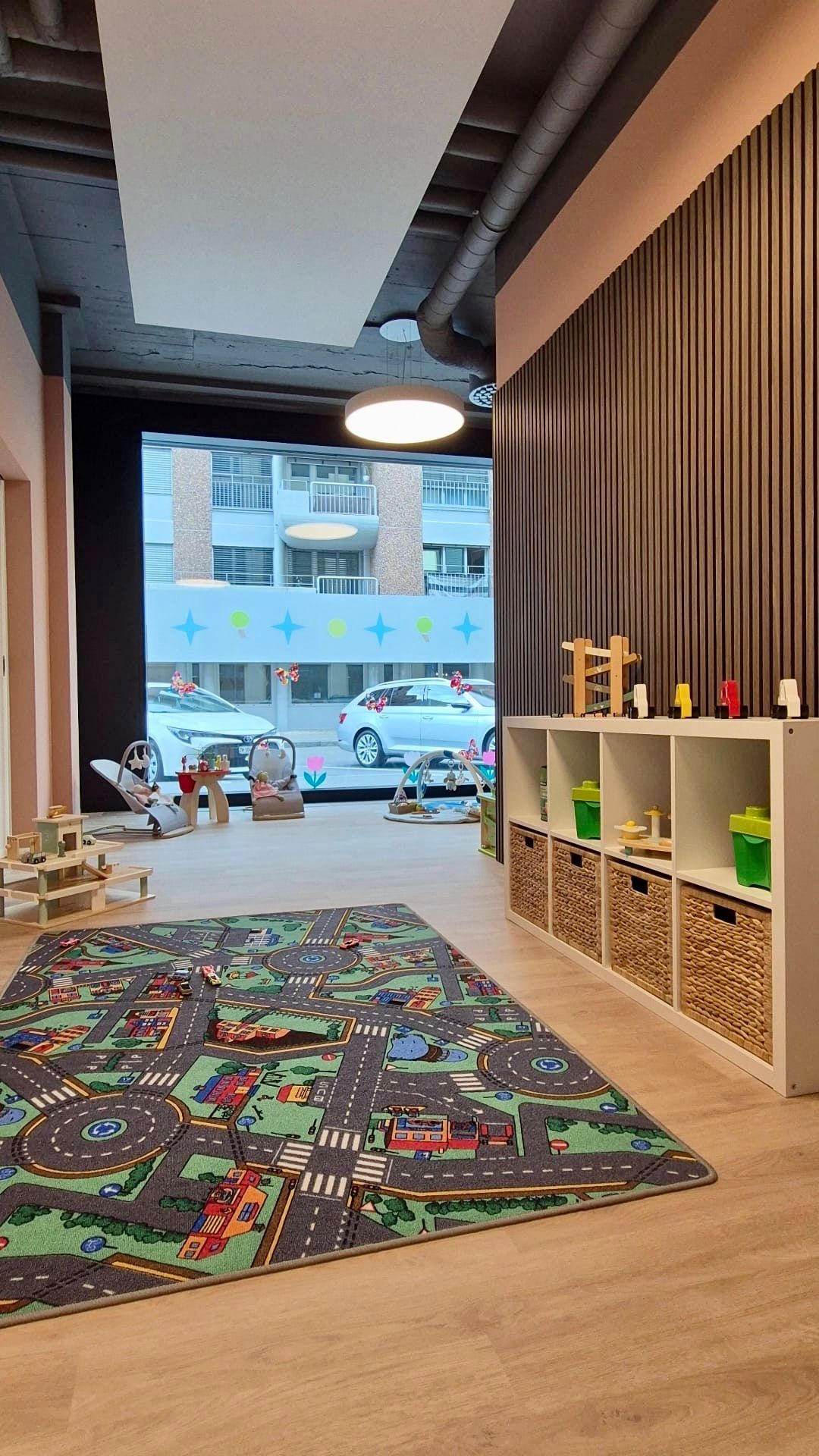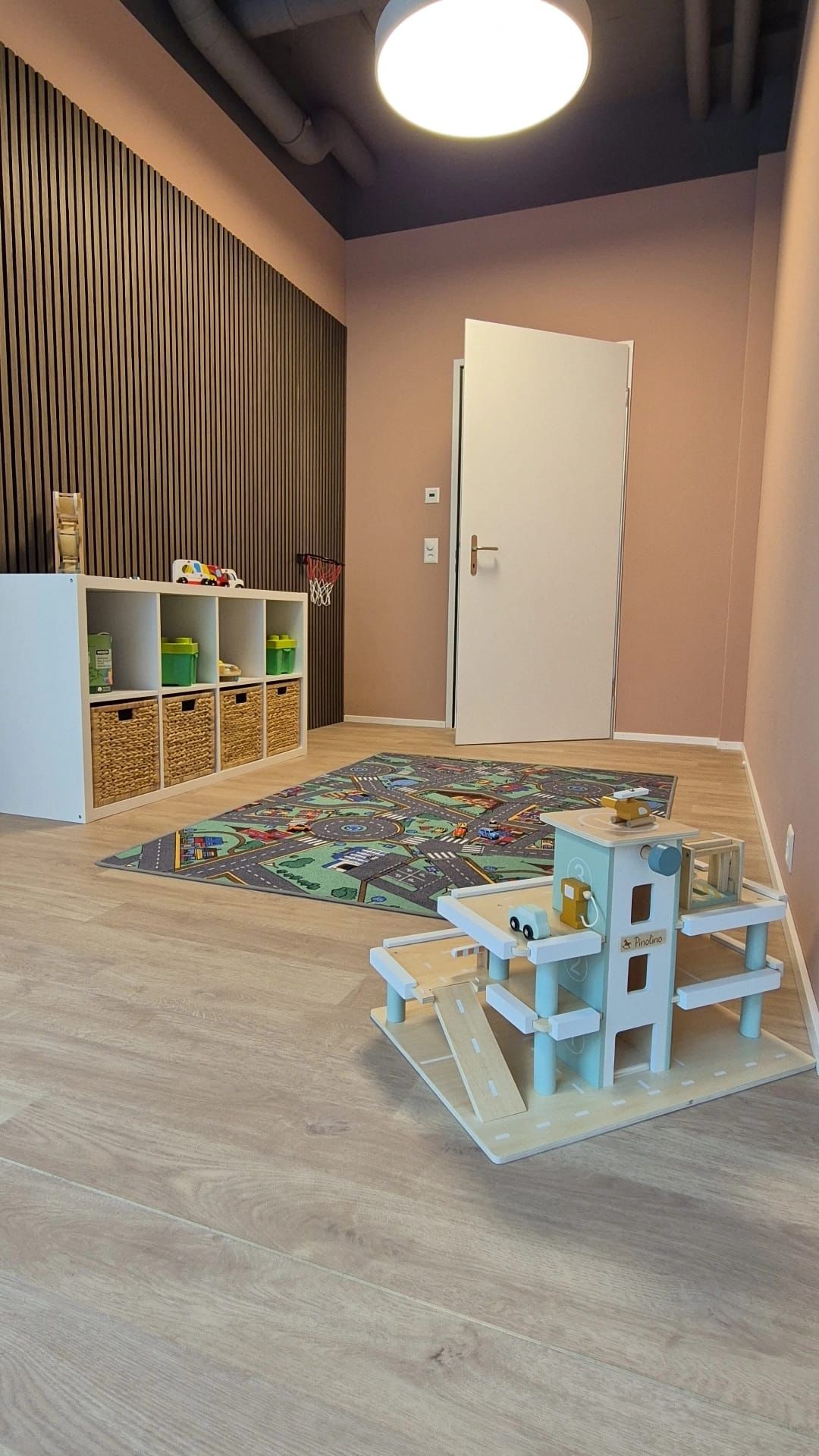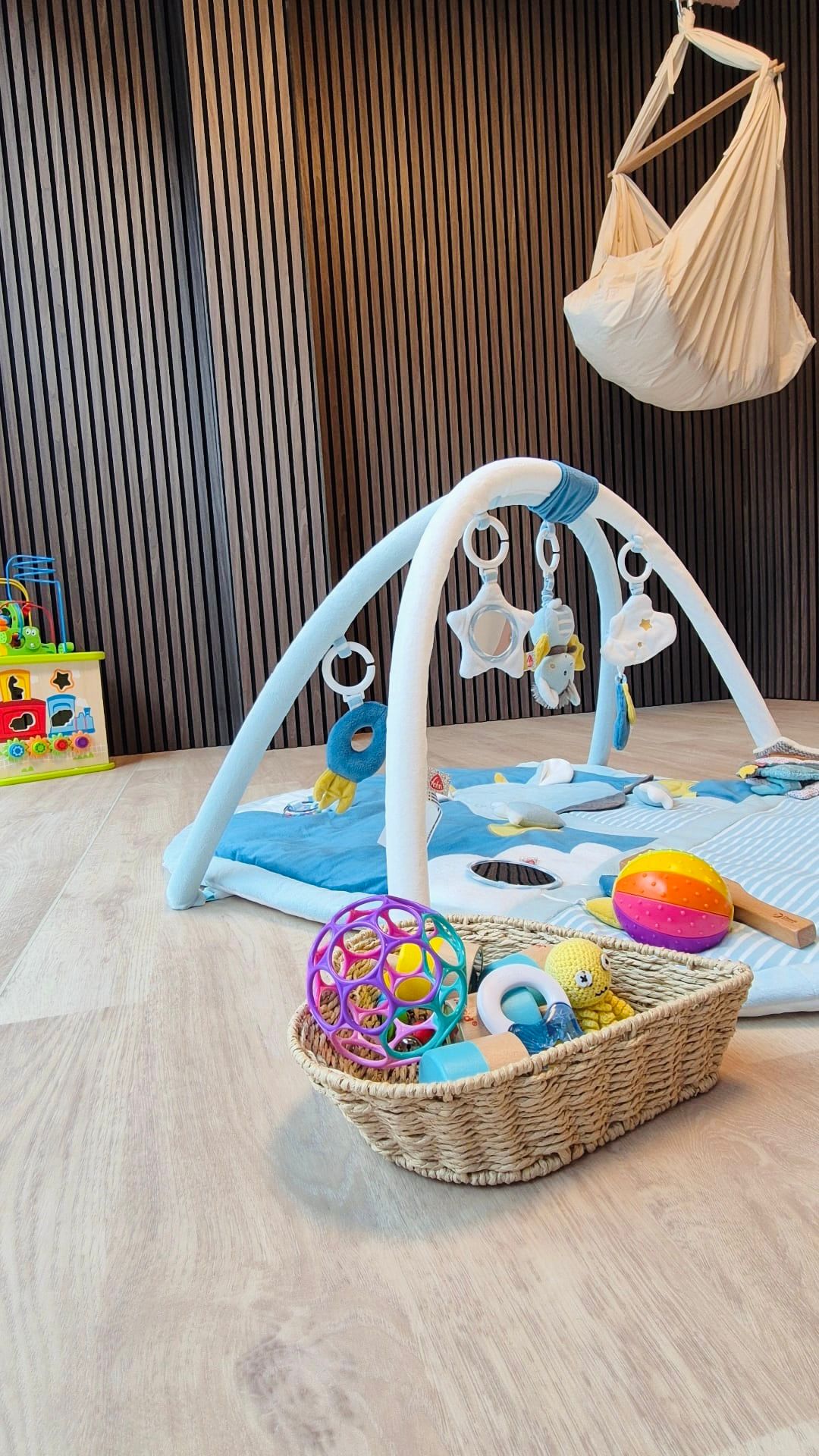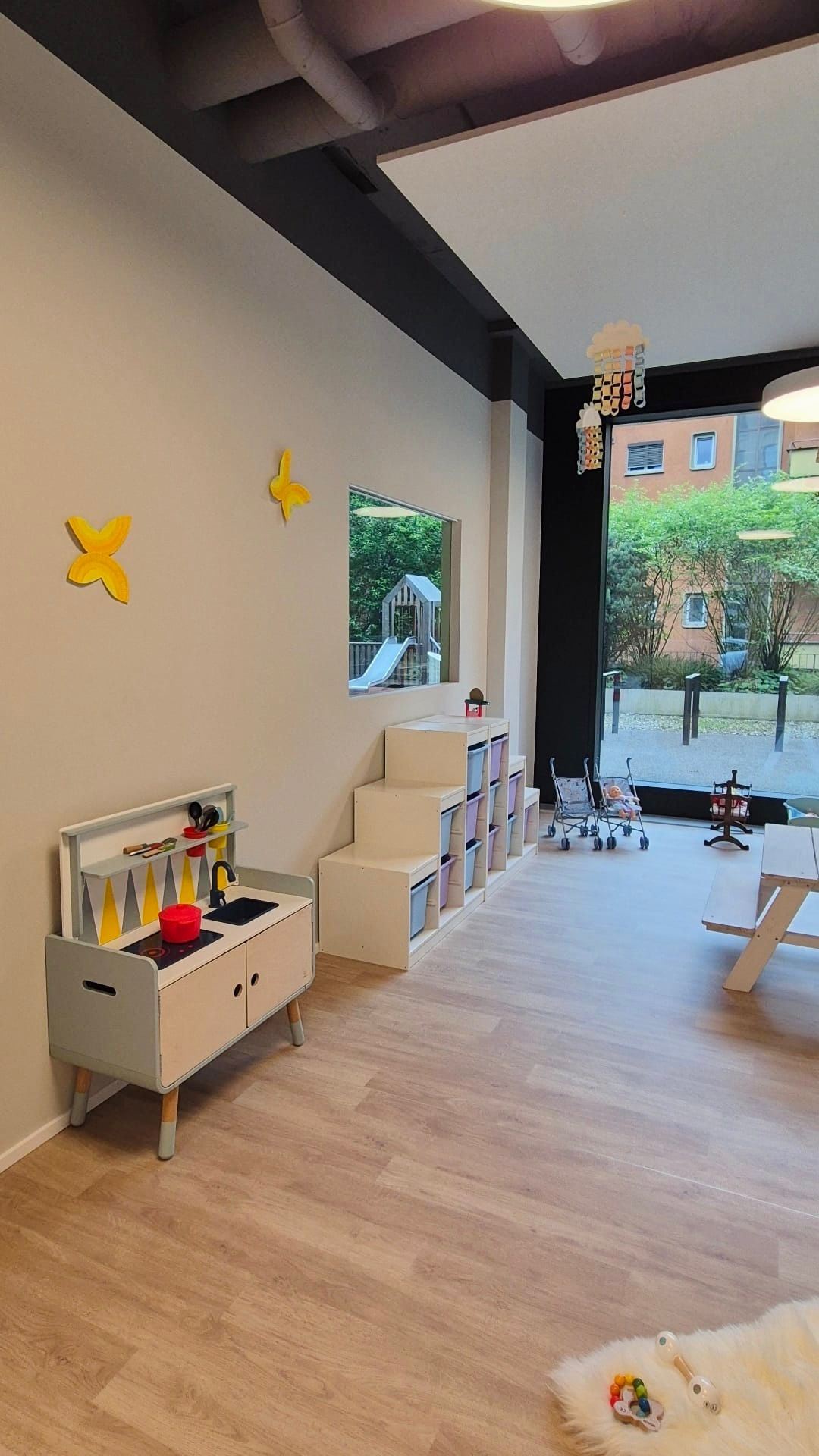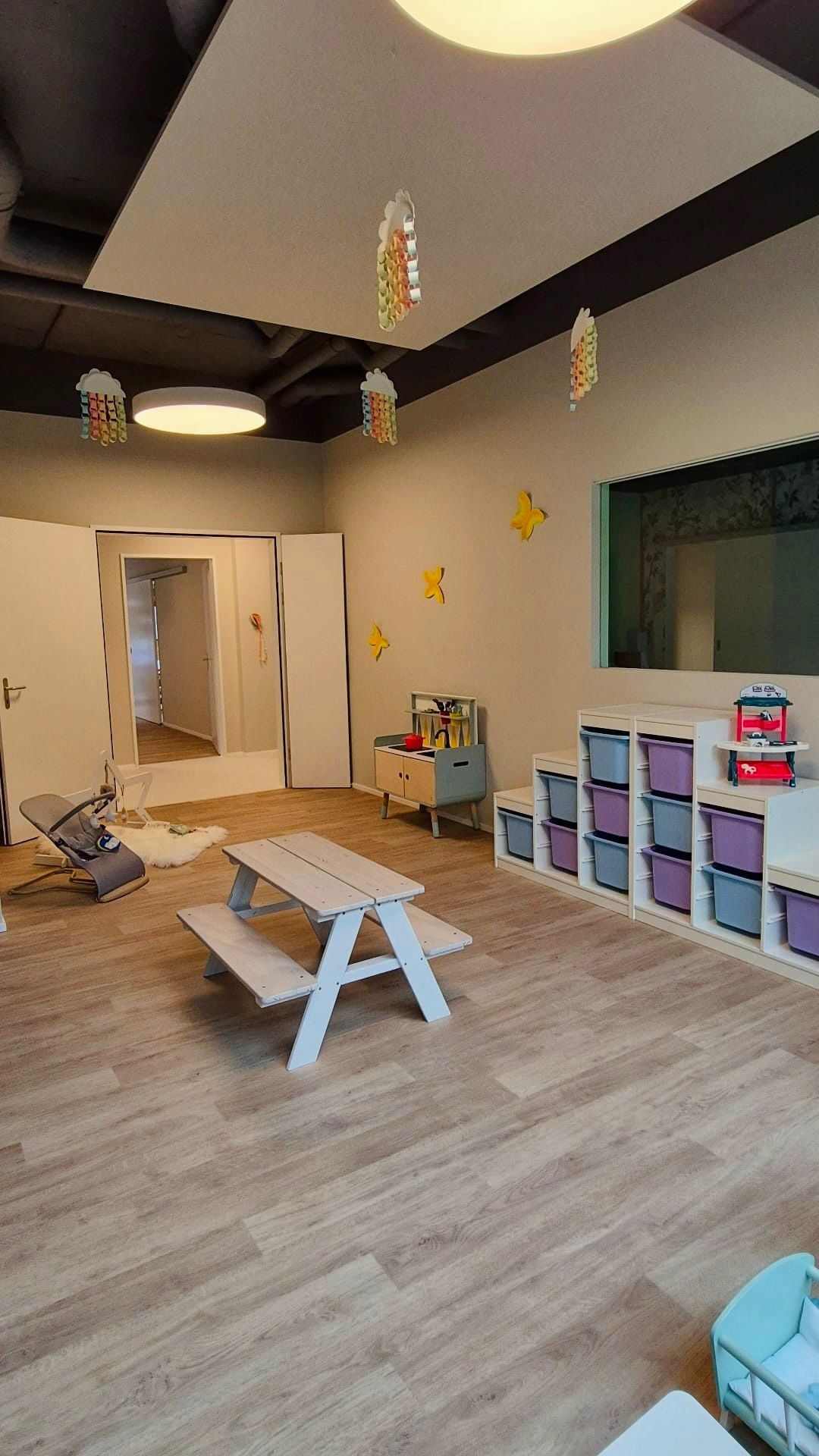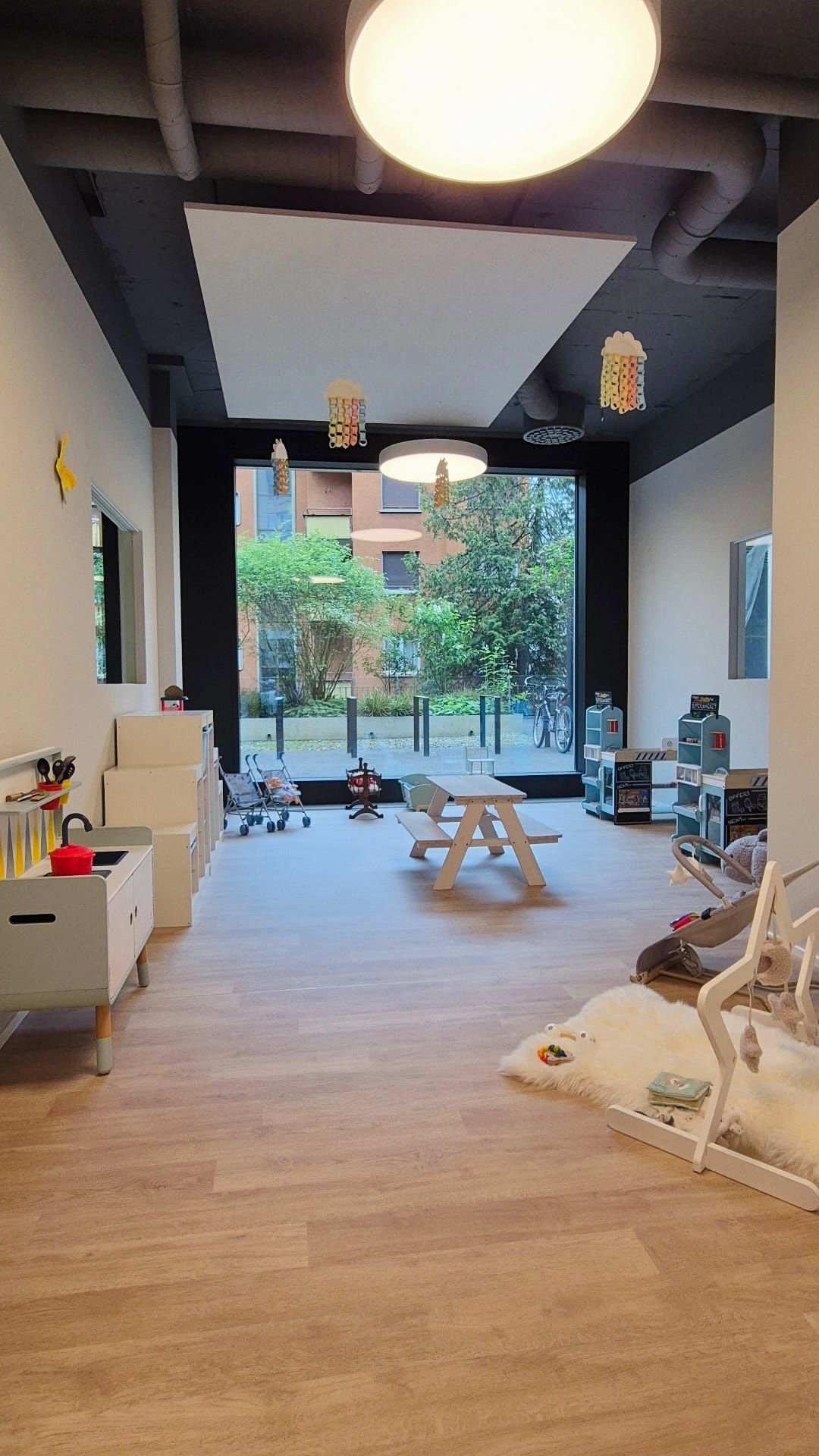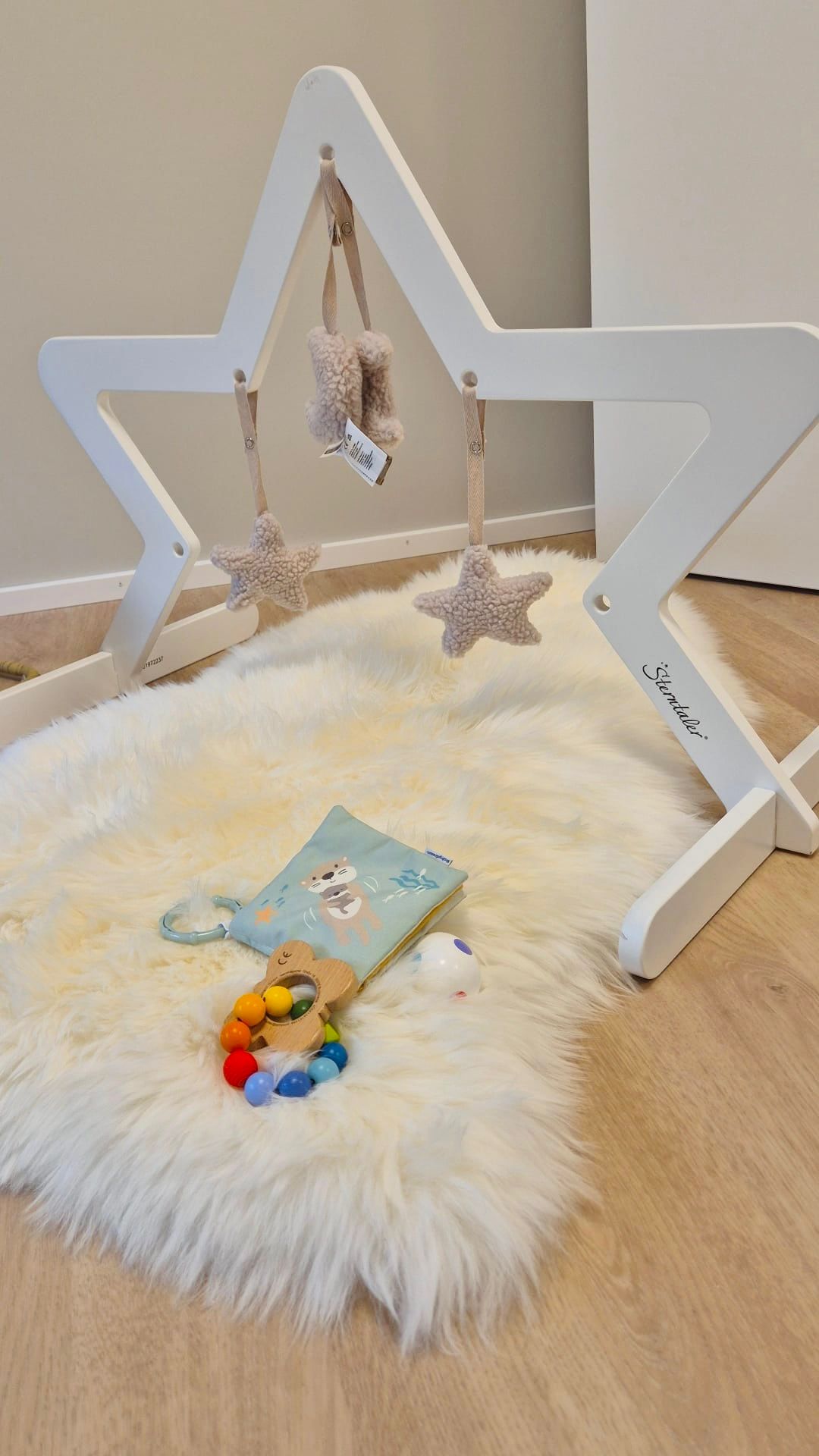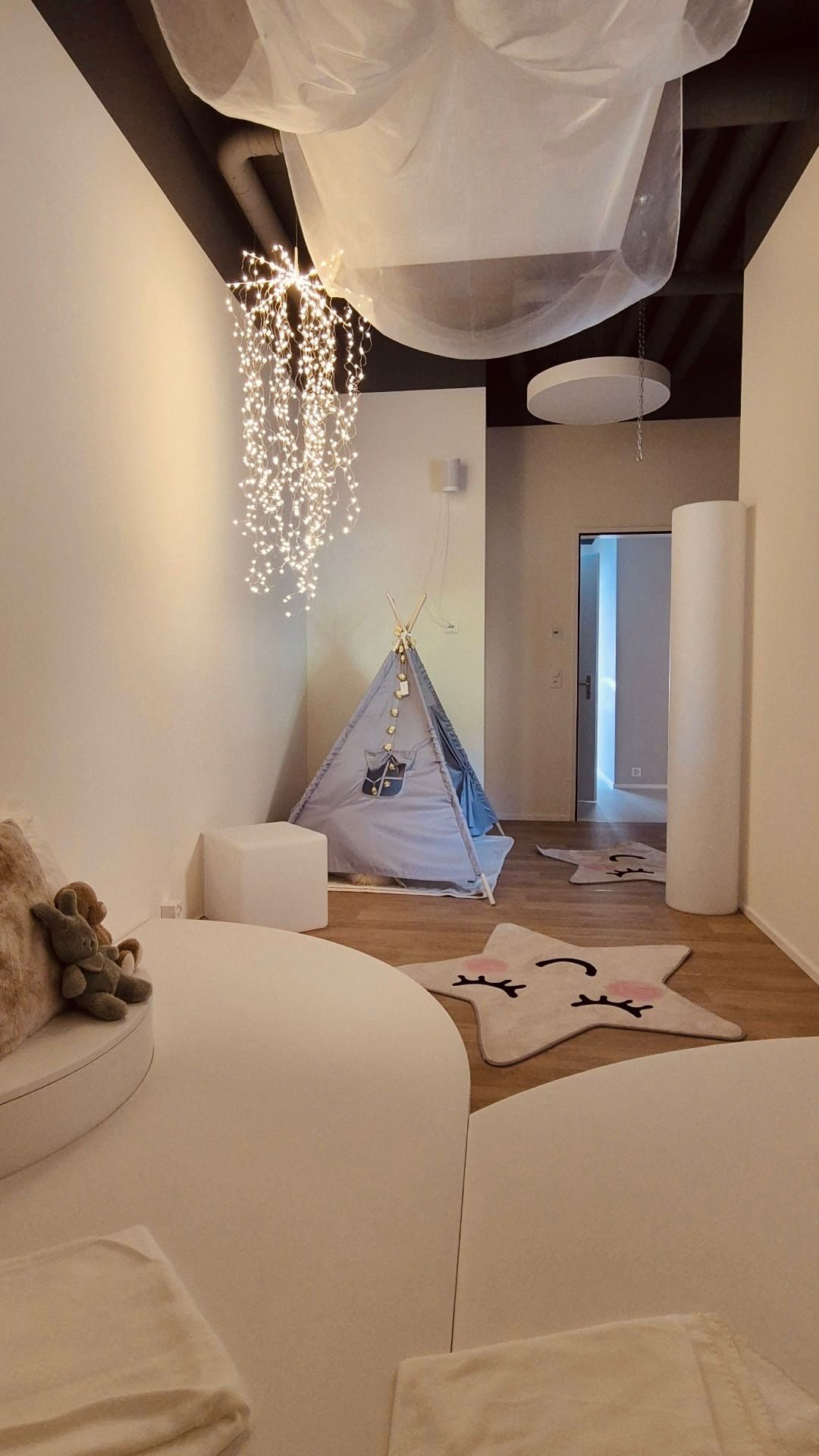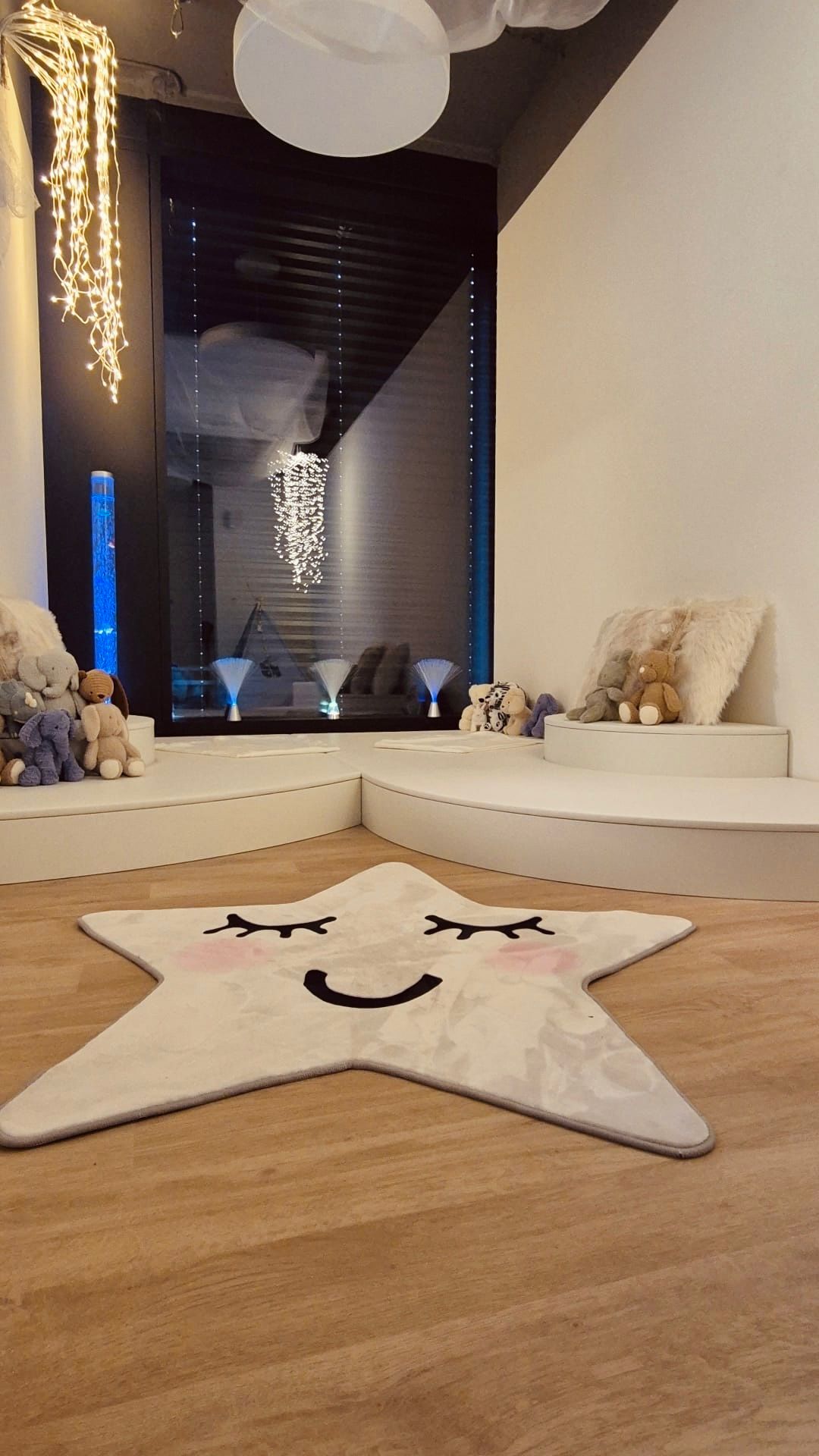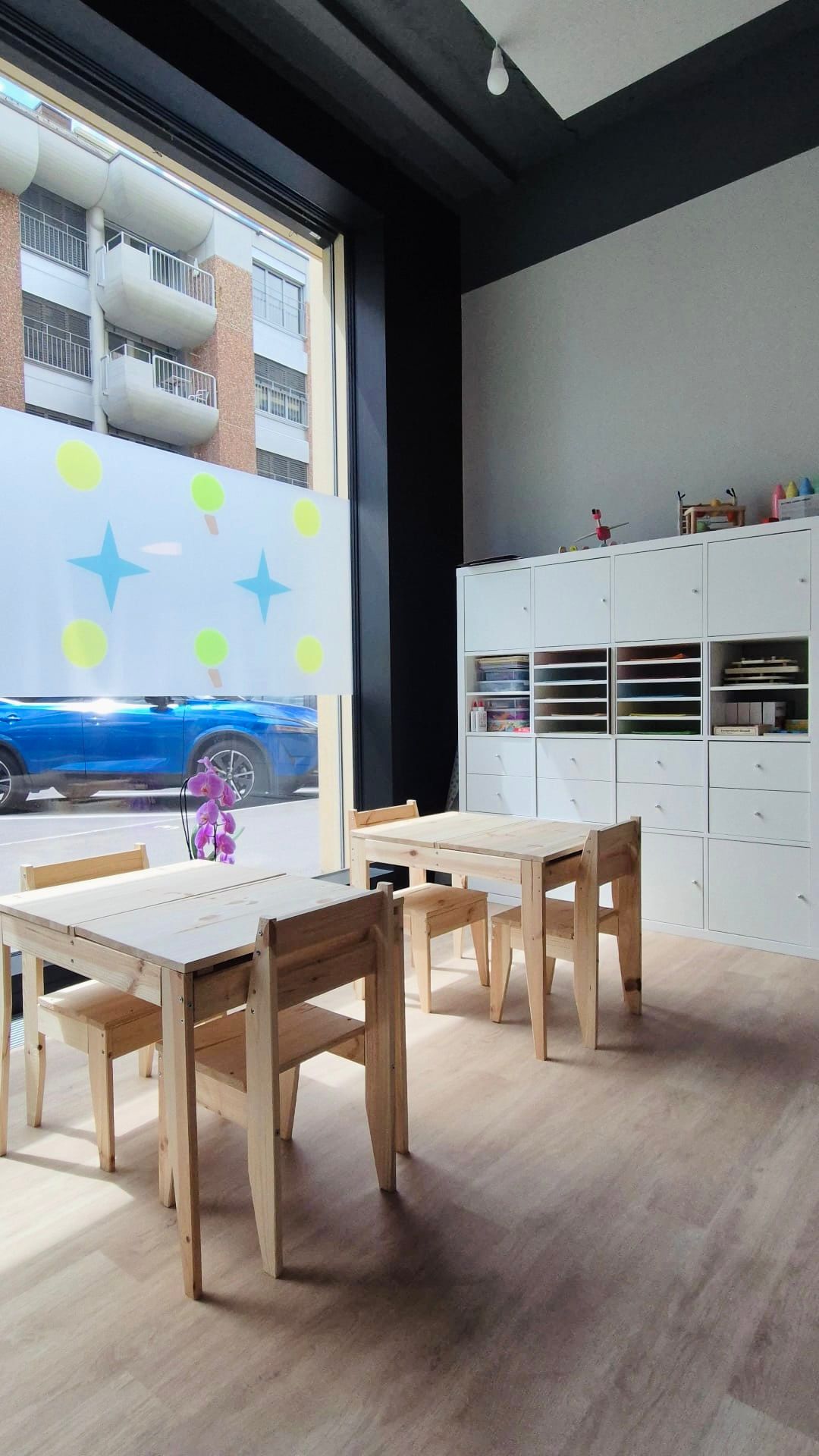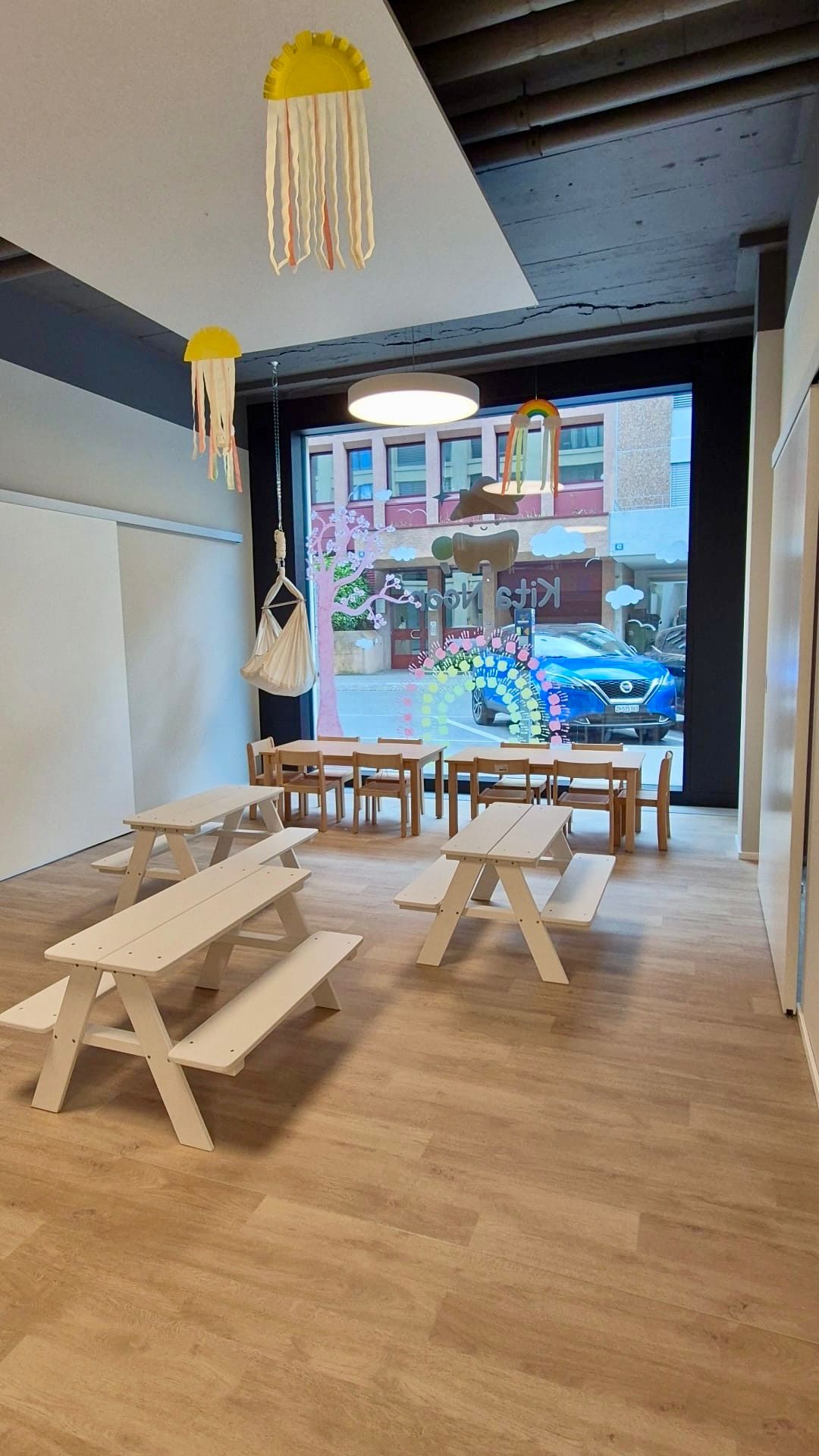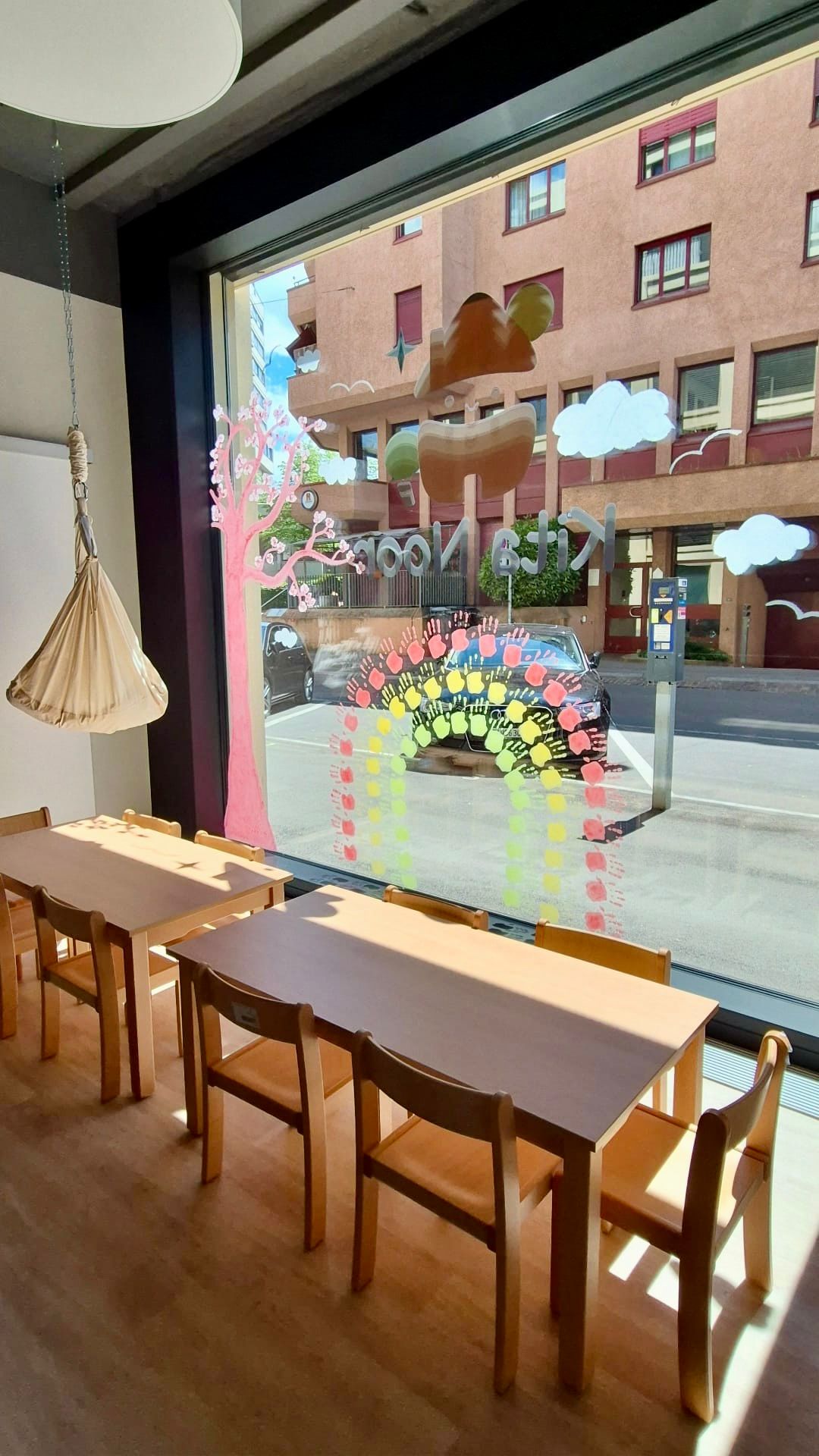
The Noor daycare centre is a place where children can feel safe, secure and free. Our rooms are designed to invite children to play, discover, learn and relax. Bright colours, lovely details and a calm atmosphere create a place where children can feel at ease and develop.
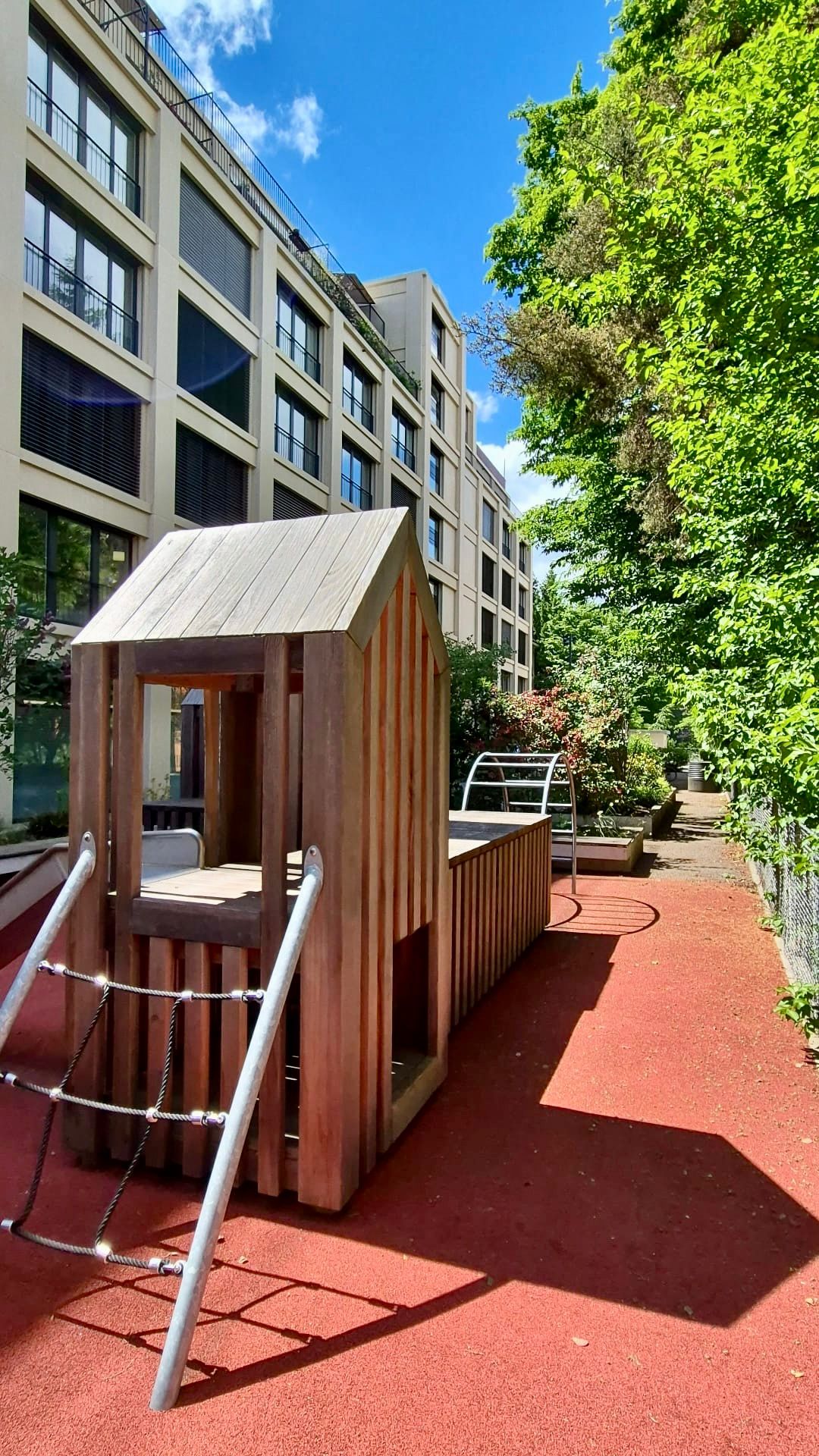
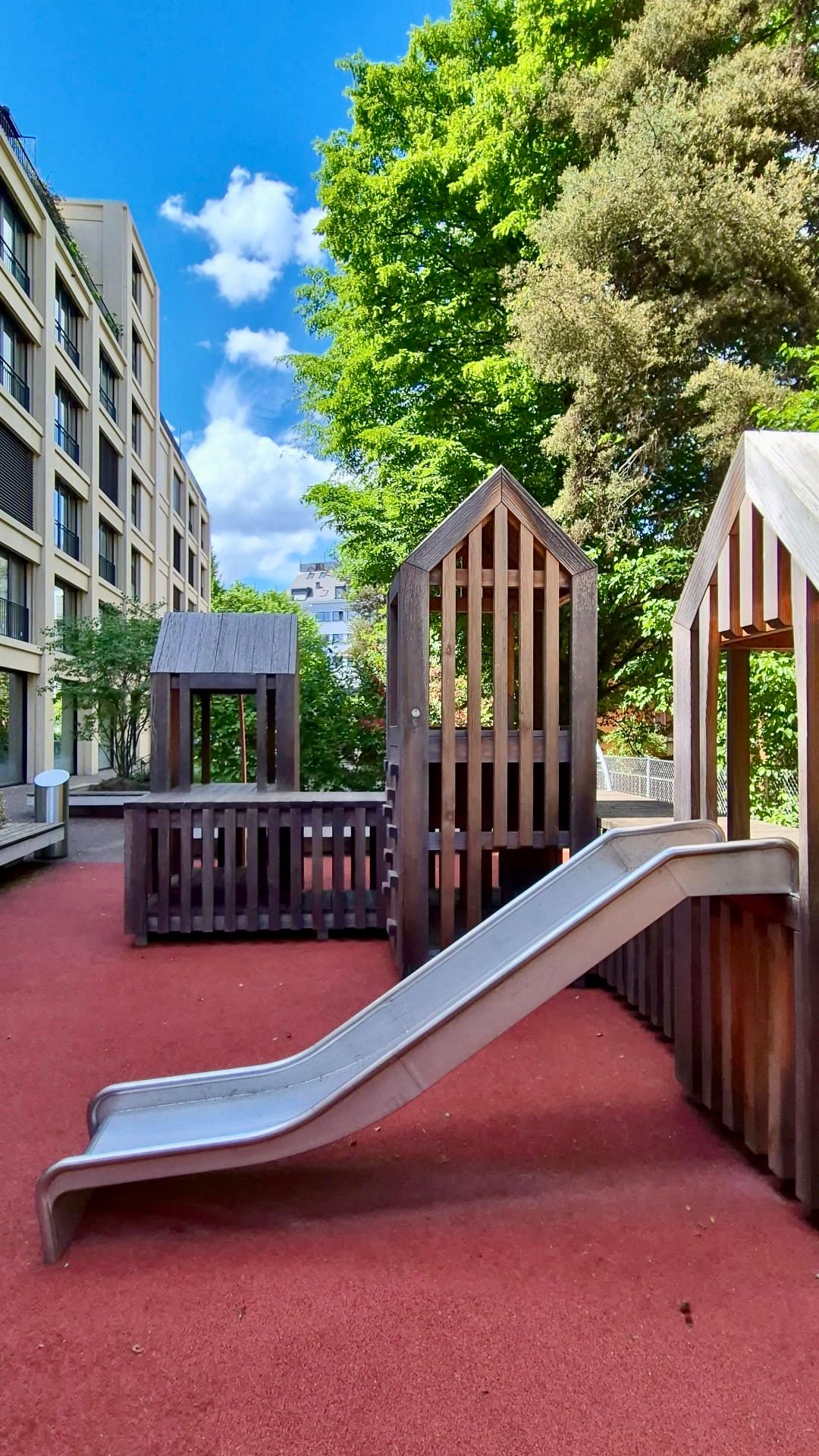
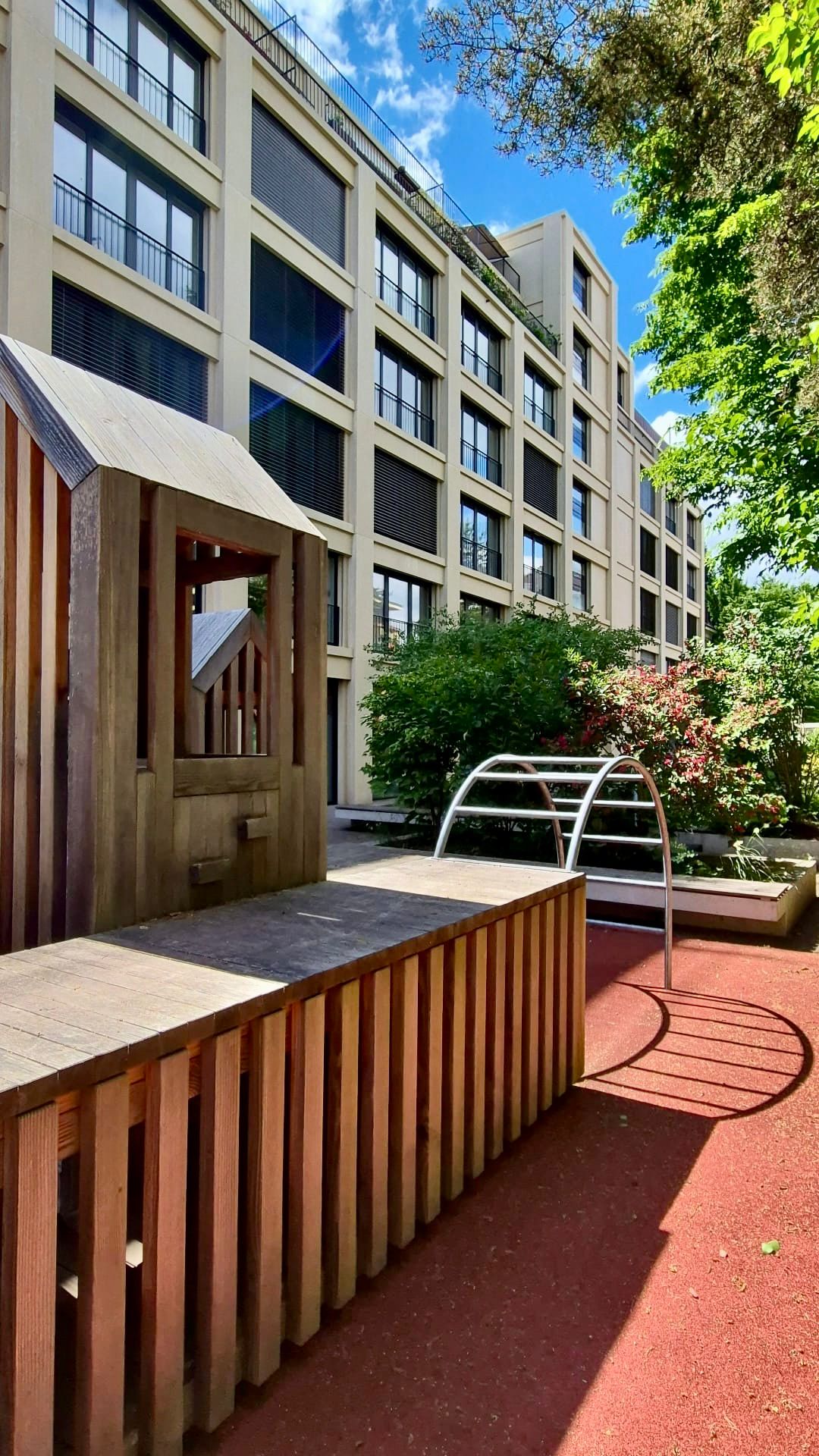
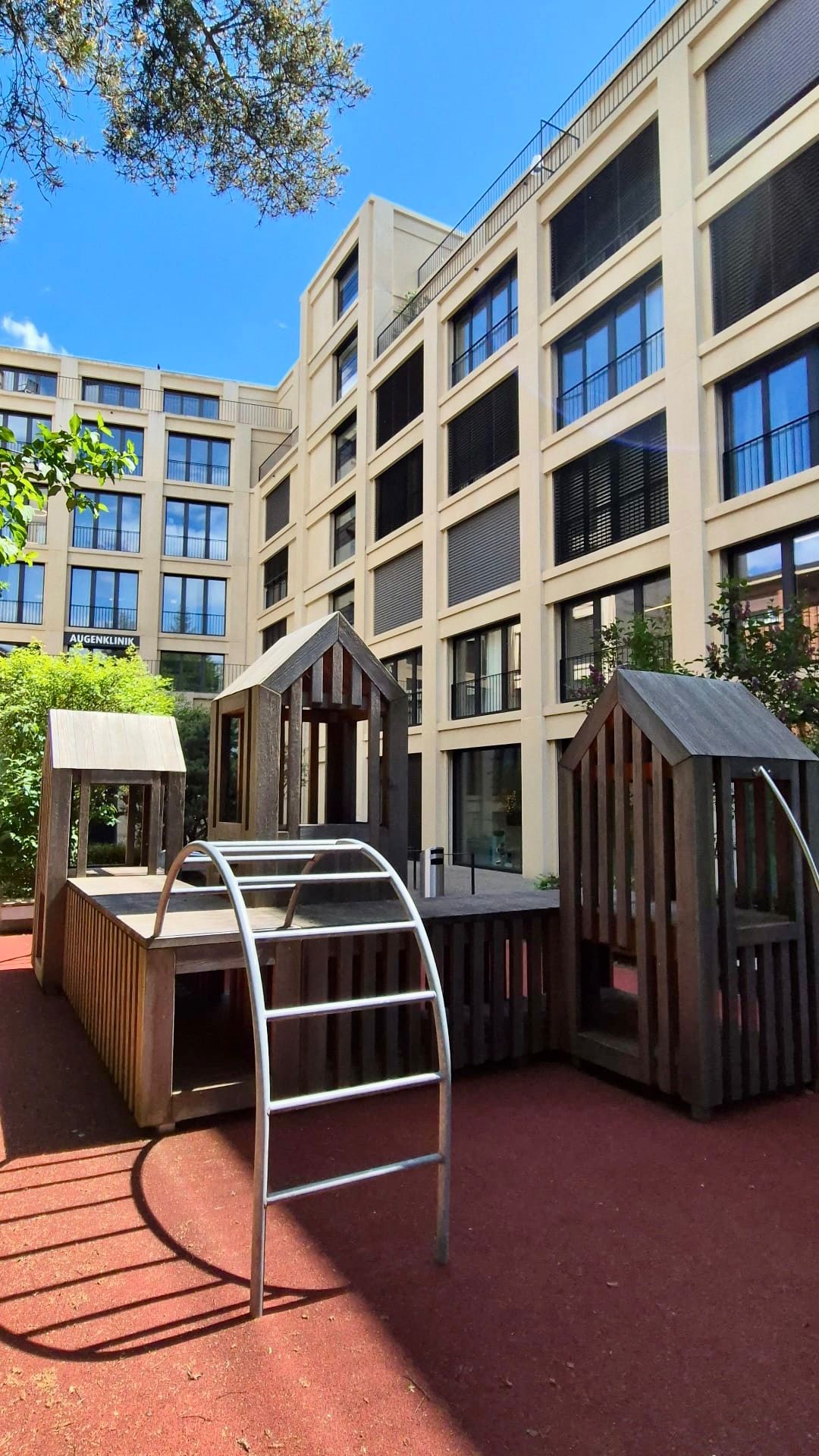
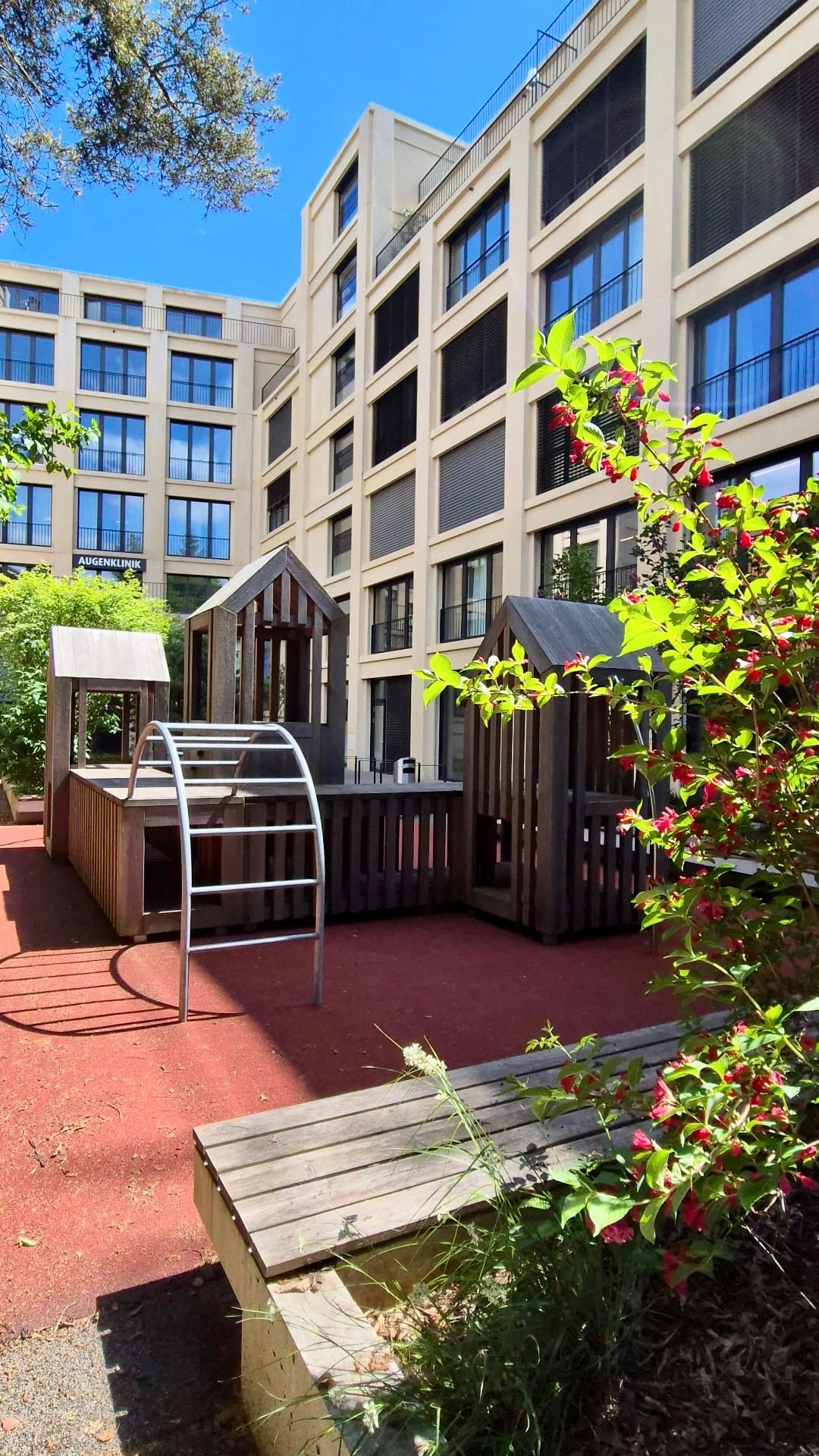
A special highlight is our large playground directly behind the house, which is used exclusively by the Noor daycare centre. Here, the children have plenty of space to run, climb, play and discover. Exercise in the fresh air is an important part of our everyday life.
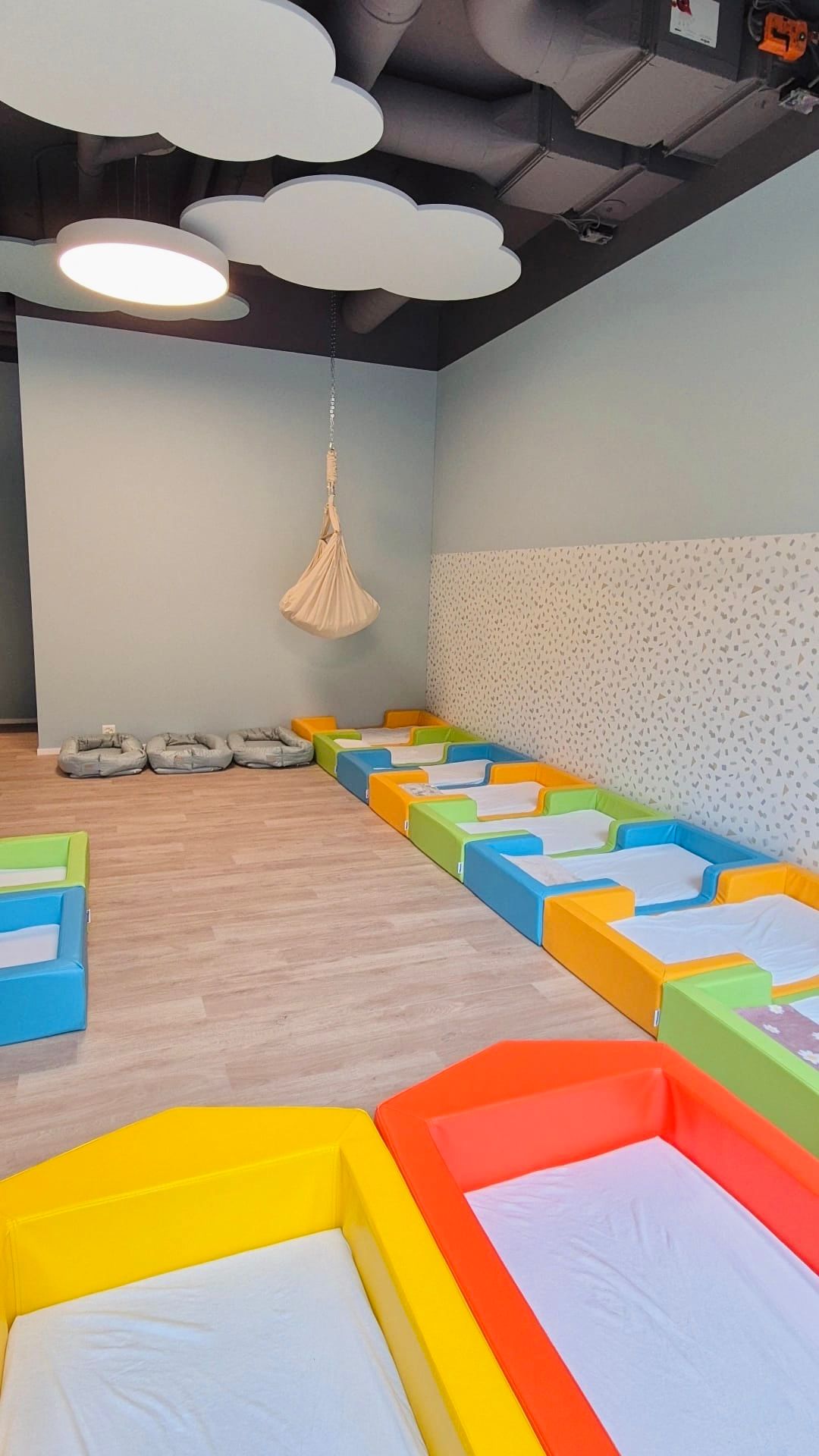
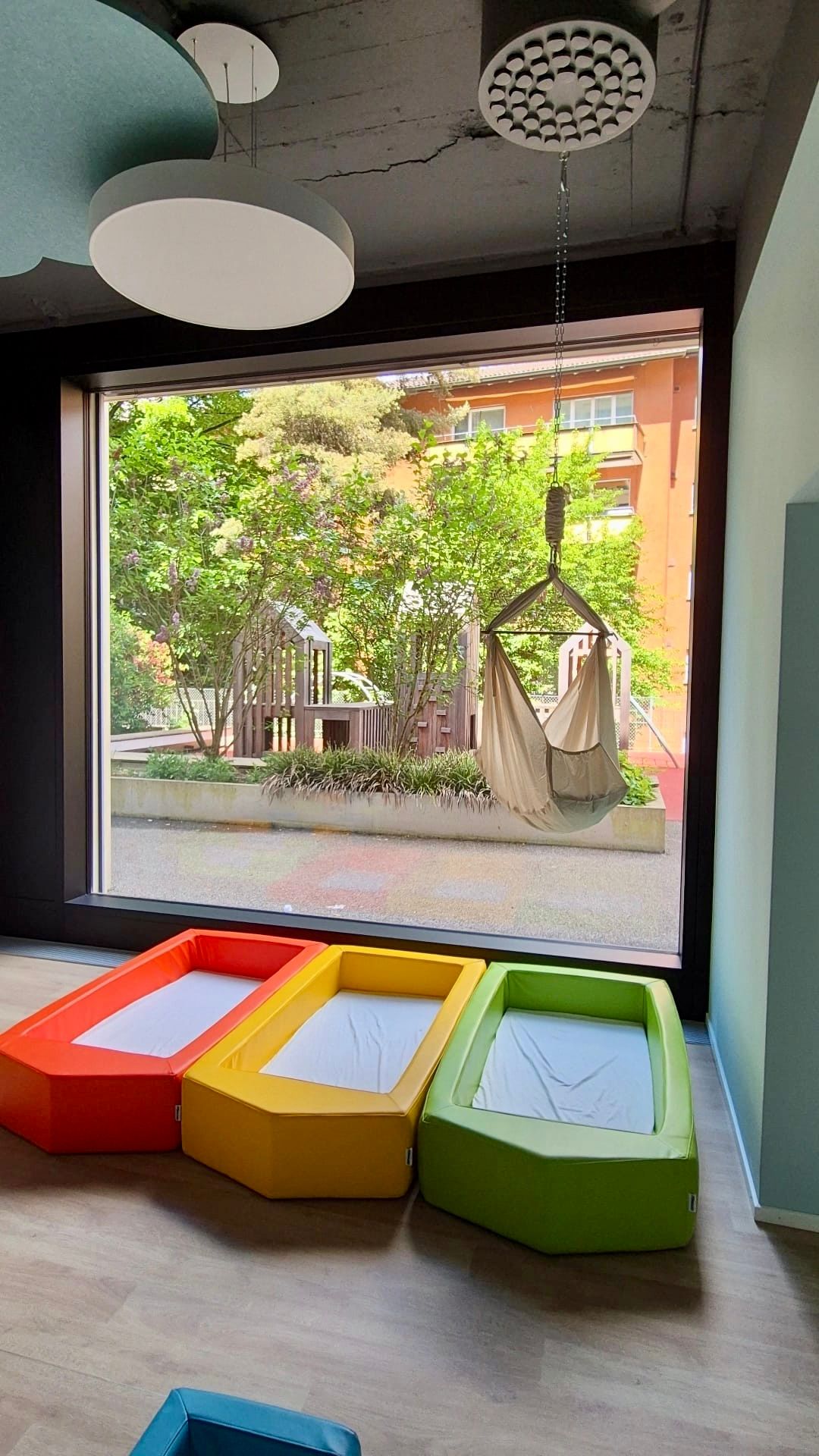
In addition to active play and movement phases, we also attach great importance to rest and relaxation. The children have a snooze room at their disposal for this purpose - a cosy retreat where they can calm down and recharge their batteries.
Regular forest days are also part of our concept. In nature, children can experience their surroundings with all their senses, discover little adventures and develop a feeling for the environment.
We also integrate children's yoga into our daily routine. In a playful way, the children learn to recognise their bodies, relax and find inner peace.
Another highlight is our monthly visit to the library. There, the children immerse themselves in the world of books, discover new stories and develop their imagination and language skills through play.
Another important component of our daycare centre is bilingual support. The children encounter both German and English in everyday life and learn both languages naturally and playfully.
For us, one thing always takes centre stage:
Children should feel good, laugh, discover and simply be allowed to be children.
It is with great pleasure that we would like to share the development of our new premises with you. Step by step, we are creating a place that is specially designed to meet the needs of children, a space to learn, play, discover and feel good.
It is important to us to create transparency and give you an insight into what is growing here. In the photos you can see how we want to create this place step by step, where we want to make children's eyes light up.
Following the photos, we will introduce you to the individual educational spaces. In doing so, we will discuss the respective benefits and functions and why they are particularly valuable in educational work.
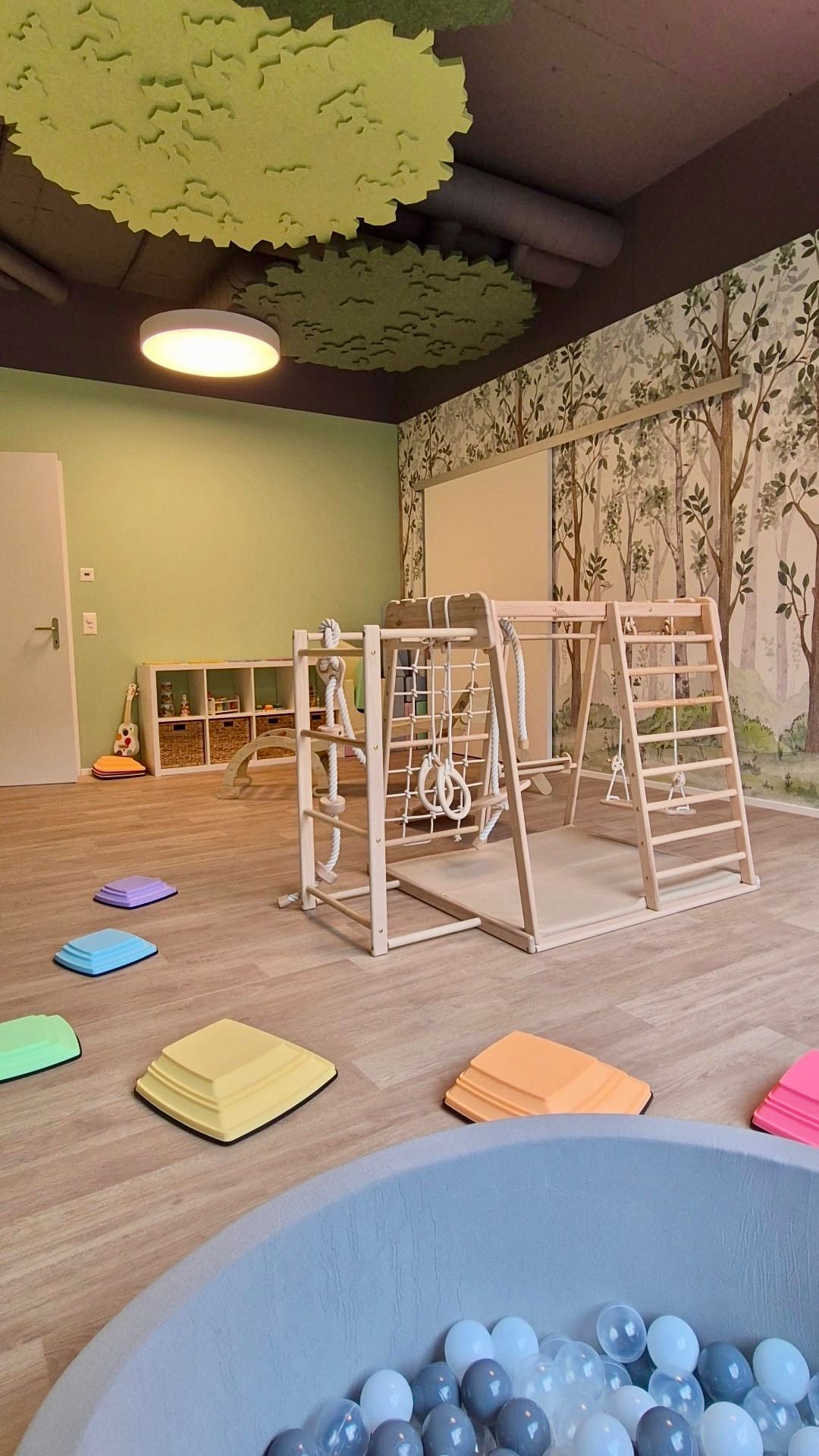
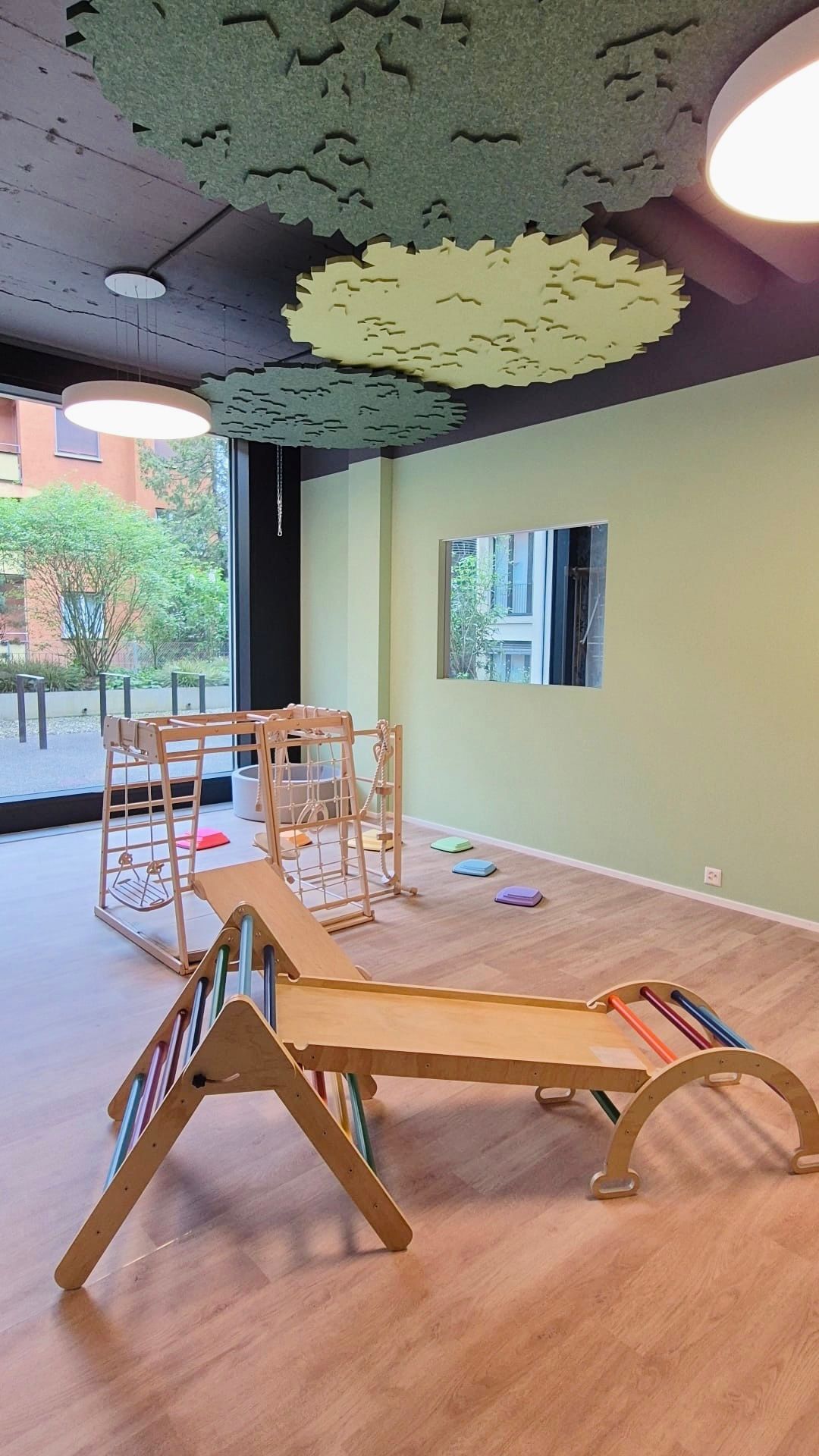
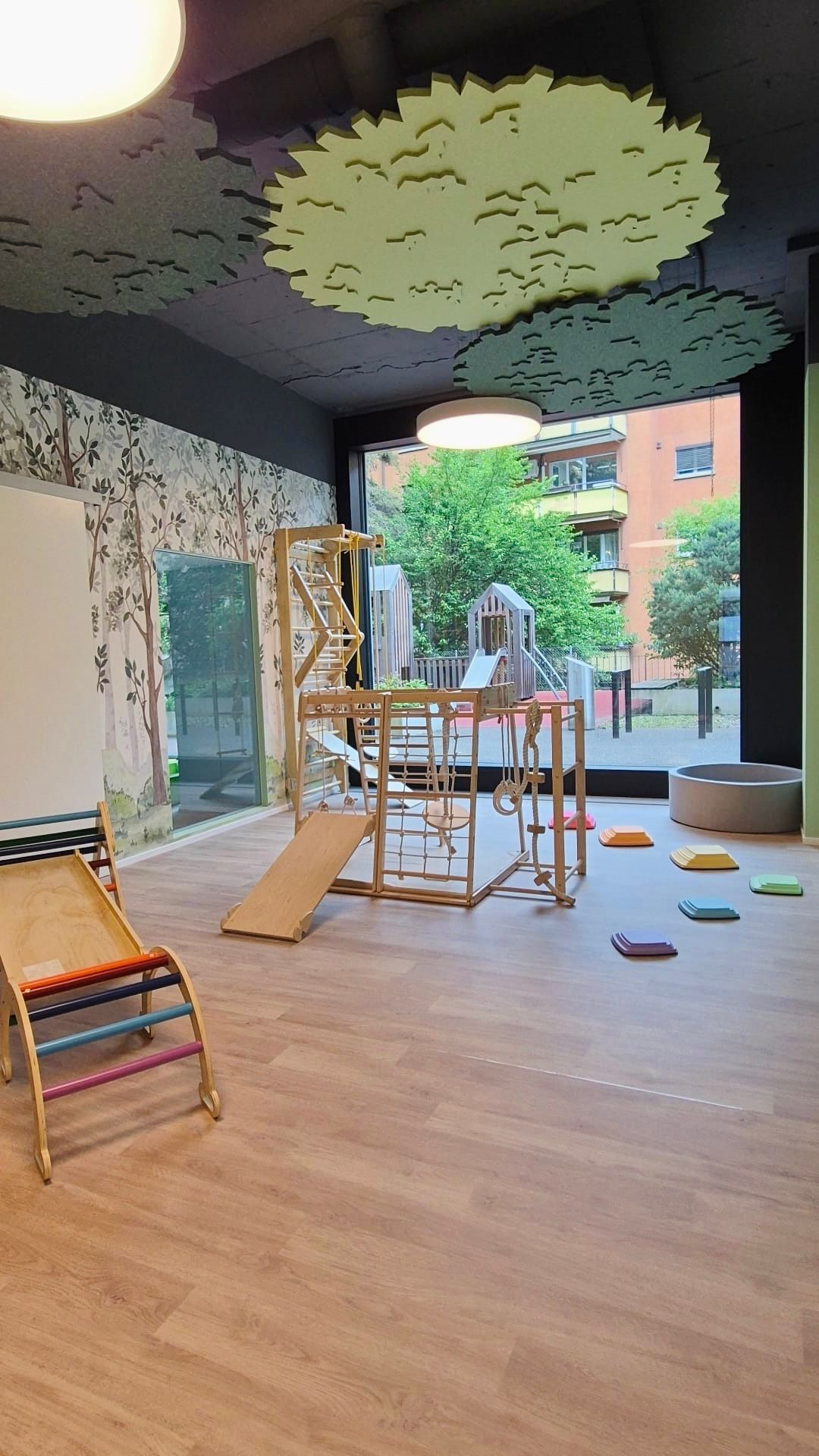
Movement is a fundamental need for children and plays a central role in early childhood development. Through movement, children actively engage with their environment, gain learning experiences and develop motor, cognitive, emotional and social skills. Early childhood education processes are closely linked to physical activity, as children connect perception, thought and action through movement. A physical activity-friendly environment therefore forms an important basis for a healthy upbringing.
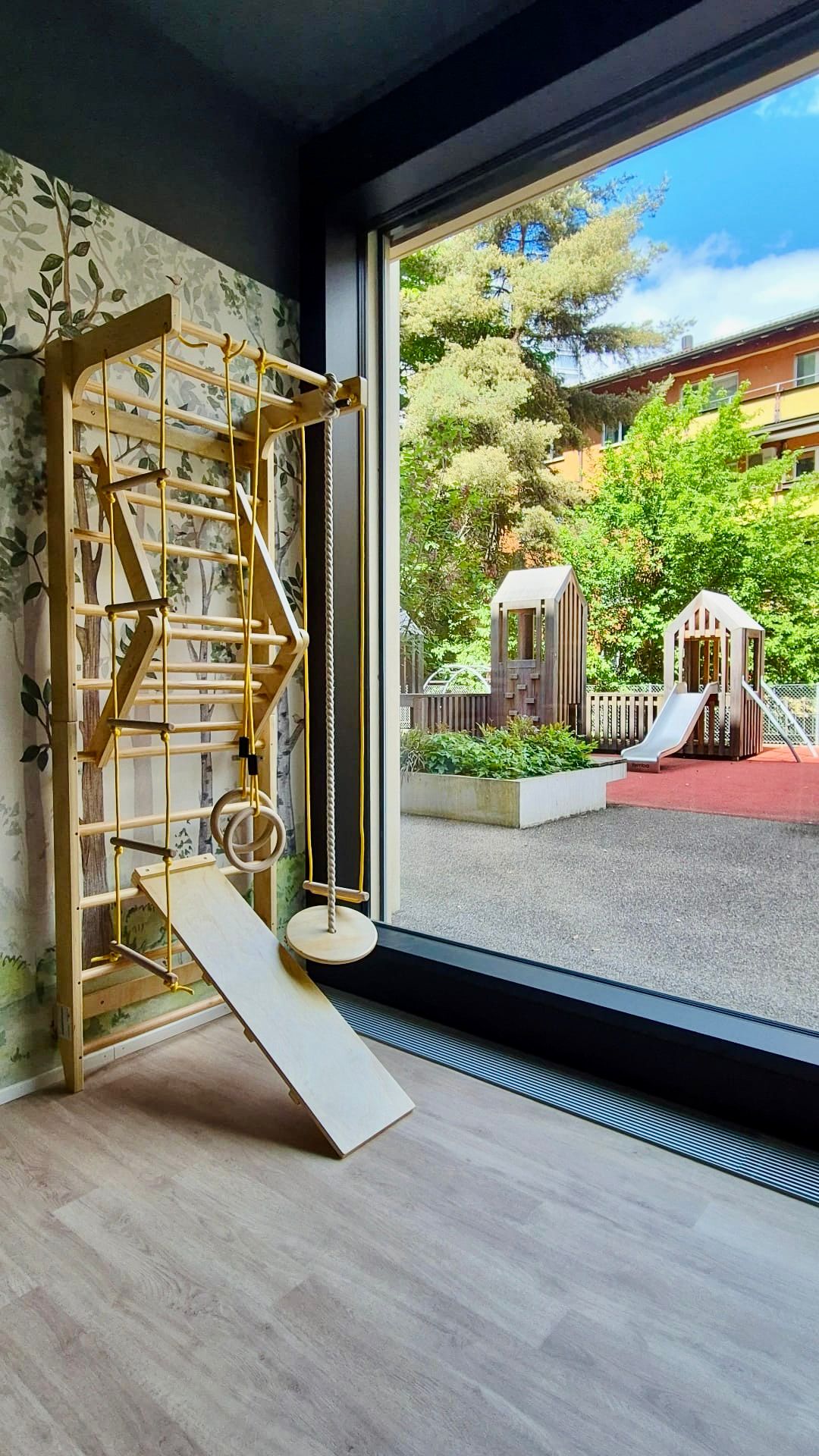
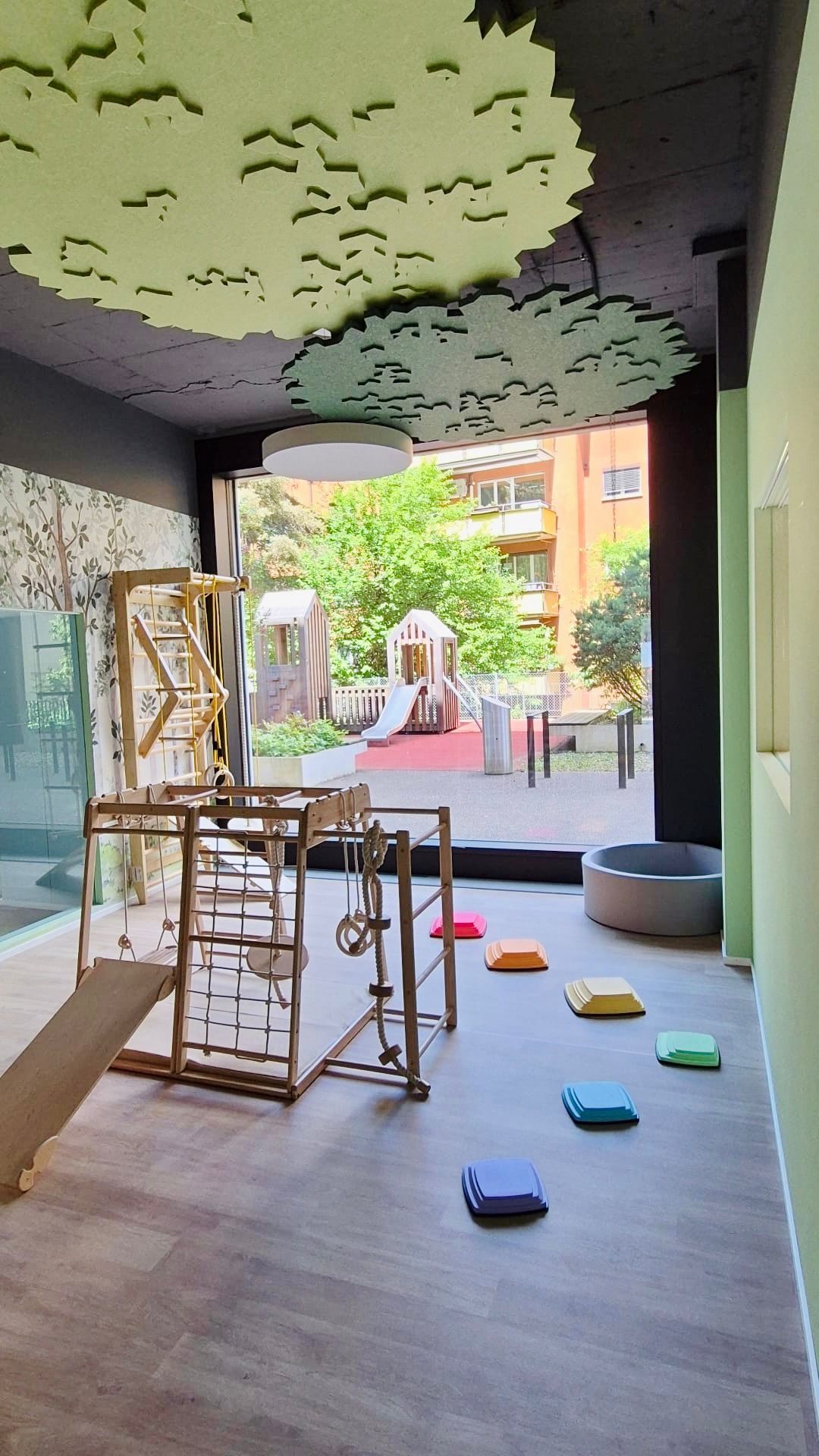
The movement room is a central educational space in our daycare centre and makes a significant contribution to the holistic development of the children. As a deliberately designed functional space, it offers the children the opportunity to pursue their natural urge to move in a safe and structured environment. The movement room complements the outdoor areas and ensures that movement is continuously encouraged, especially when the weather or space is limited.
A wide range of movement activities such as climbing, balancing, jumping and rolling, as well as free play, specifically promote gross and fine motor skills, body awareness and coordination. The movement room also creates space for social learning. Joint movement and play activities promote cooperation, consideration and the ability to negotiate and adhere to rules. Movement also helps to reduce tension and contributes to a balanced group atmosphere.
The aim of the movement room is to offer the children an active space in which they can develop their motor skills, strengthen their social skills and experience the joy of movement.
Rest and retreat are just as important for children in daycare centres as movement and activity. In early childhood development, children need phases of relaxation in order to process experiences, regulate stimuli and stabilise their emotional balance. Different age groups and individual needs require differentiated opportunities for relaxation.
The quiet oasis is therefore also a central pedagogical space in our daycare centre and offers the children a conscious opportunity to retreat away from the active group routine. As a separate, quietly designed functional room Independent of the bedroom - it enables children, especially those who no longer take a nap due to their age, to relax and calm down during lunchtime or during the course of the day.
The room is clearly laid out, low in stimuli and child-orientated, creating an atmosphere of safety and security. In the quiet oasis, the children can carry out quiet activities, relax or withdraw for a short time. This promotes self-regulation, emotional tensions can be reduced and a balanced group atmosphere is created.
Our aim in the quiet oasis is to offer the children a retreat where they can find peace, relax and strengthen their inner balance.
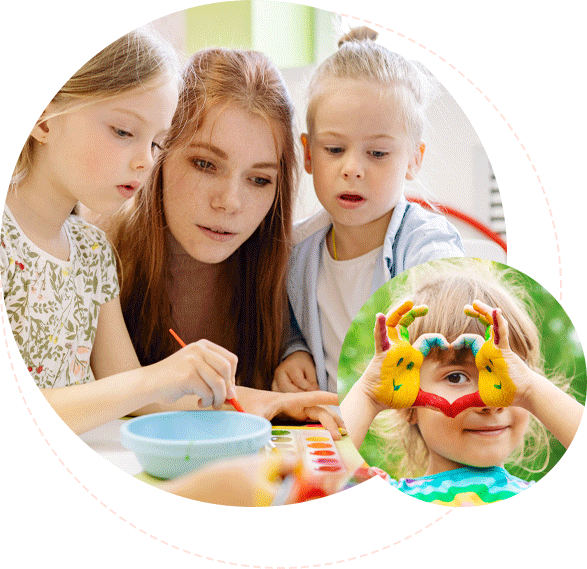
Creative endeavours and artistic expression are key learning processes in early childhood. Children develop their perception, imagination and fine motor skills through painting, crafting, designing and experimenting. Creative activities also promote emotional expression, self-awareness and self-efficacy and contribute to holistic development.
Our studio is a central educational space in our daycare centre and offers the children a specially designed space in which they can develop their creative and experimental skills. As a functional creative space, the studio enables the children to try out materials and techniques, develop their own projects and organise creative processes independently or in groups.
The room is clearly laid out, age-appropriate and equipped in a variety of ways so that children can use different forms of expression such as painting, drawing or handicrafts. The studio supports both individual and social learning: children exchange ideas, inspire each other and develop co-operation and communication skills. At the same time, fine motor skills, concentration and perseverance are specifically encouraged.
Our aim with the studio is to offer the children a stimulating space in which they can develop their creativity, realise artistic ideas and experience the joy of design.
Constructive play such as building, constructing and stacking is also a central learning process in early childhood development. Children develop spatial thinking, problem-solving skills, creativity and fine motor skills. At the same time, constructive play promotes social skills, as children co-operate, exchange ideas and develop solutions together when building together. Constructive activities also support perseverance, concentration and self-efficacy.
Our construction room is an educational room requirement in our daycare centre because we offer the children a specially designed functional room in which they can develop their construction skills. The room is clearly laid out, age-appropriate and equipped in a variety of ways so that children can experiment with different materials such as building blocks, peg systems, rails or construction sets.
Both individual and collaborative learning are encouraged in the construction room: Children plan their own building projects, try out solutions and exchange ideas while constructing together. In the process, they develop spatial imagination, problem-solving strategies, fine motor skills, concentration and perseverance.
Our aim with the construction room is to offer the children a space in which they can build creatively, try out solutions and develop social skills.
The importance of role play and symbolic play is also a key learning process in early childhood. Children deal with everyday situations, role models and social rules. By imitating, inventing and creating scenarios, they develop language skills, social behaviour, empathy, imagination and problem-solving skills. Role-playing games also promote emotional expression, self-awareness and self-efficacy and contribute to holistic development.
The role-play area is therefore also a central educational space in our daycare centre and offers the children space in which they can act out scenarios from everyday life, invent their own stories and try out social roles. The room is furnished in an age-appropriate manner, clearly laid out and equipped in a variety of ways so that children can create different play worlds, e.g. e.g. „household“, „shop“, „doctor's surgery“ or freely invented fantasy worlds.
Both individual and collaborative learning are encouraged in the role-play area: Children take on roles, plan play activities, negotiate rules and co-operate with each other. Language, creativity, social skills and conflict resolution skills are developed in a targeted manner.
The aim of the role-play area is to offer the children a space in which they can develop their imagination, try out social roles and design creative scenarios together.
Our well-designed educational spaces create an environment that provides a sense of security, promotes development in a playful way and offers children a wide range of opportunities to discover their world with curiosity and joy.